Table Of Content
- Hmong machine embroidery motif design snail 4 sizes
- Hmong Pattern Bib and Burp Cloth Set
- Hmong chibi girl, chibi girl, Hmong design, Hmong art, Hmong digital art, Hmong girl
- Our Hmong Embroidery DIY Kit
- Assorted Hmong Motif Decals - Hmong Symbols - Hmong Decals - Hmong Motif - 6 Decals Per Pack
- Native American And Hmong: Use Spiral Designs
- Hmong Qeej Embroidery
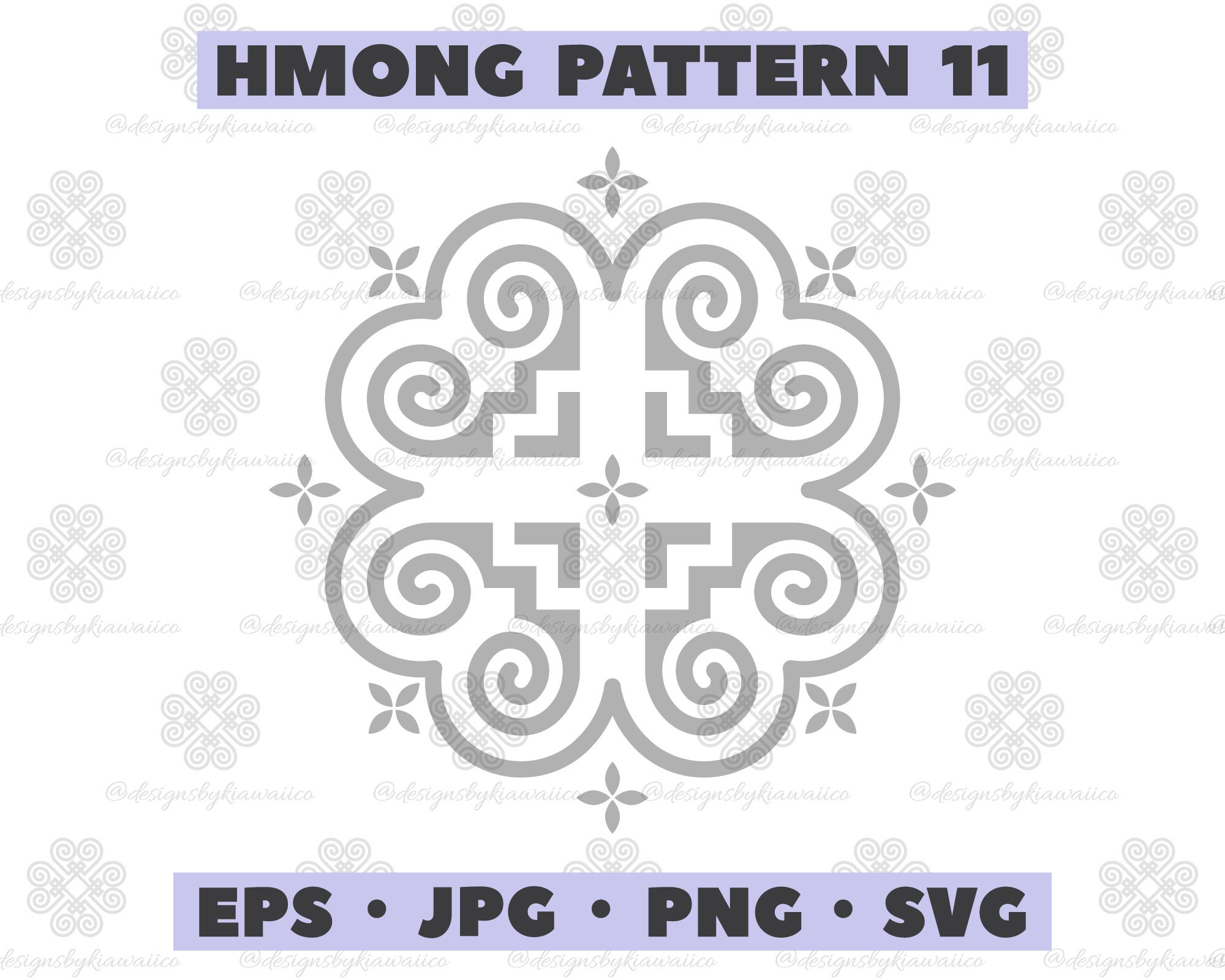
Today the motifs in Hmong embroidery are used as decorations in clothing, accessories, and crafts. From Hmong oral history, it was said that Hmong women once preserved the ancient Hmong writing script in their clothing when the imperial Chinese persecution of the Hmong increased in the 1700s to 1800s. The imperial government banned the use of the Hmong language to force the Hmong people to assimilate. The Hmong people’s desire to live freely drove some of them to flee China into the mountainous areas in Southeast Asia (Burma, Laos, Myanmar, Thailand, Vietnam) in the late 1800s.
Hmong machine embroidery motif design snail 4 sizes
Common design motifs found in traditional Hmong embroidery are the elephant’s foot, snails, mountains, house, dragon tail, cucumber seed, heart, pinwheel, star, landscape, diamond, flower, and more. For instance, the three patterns on the skirt were sewn to represent the three main bodies of water (Yellow River or Dej Dag, Yangtze River, and Dongting Lake or Pas Dej Toob Theeb) the Hmong crossed to escape persecution. The website is intended to educate viewers about the many different types of traditional and modern Hmong embroidery and the meanings attached to many of the motifs commonly used in Hmong embroidered art works. The art works featured in the exhibits on the website are part of the collections of the Hmong Cultural Center and the Hmong Archives in Saint Paul, Minnesota.
Hmong Pattern Bib and Burp Cloth Set
For the reasons above, the Hmong art of making paj ntaub may be lost among future generations. There are distinctive characteristics of clothing within the five groups of Hmong people. The Blue/Green Hmong women are known for their batik pleated skirts that are dyed black or indigo blue. White Hmong women do not dye their pleated skirts but leave them in their natural “white” color. Meanwhile, Striped Hmong women wear a jacket with blue or white stripes around their black sleeves.
Hmong chibi girl, chibi girl, Hmong design, Hmong art, Hmong digital art, Hmong girl
Cotton and synthetic fabrics are now preferred over hemp as the latter is heavy and difficult to find. In the past, paj ntaub served as a form of decoration for Hmong women to create clothes and preserve history. In the present, paj ntaub has undergone tremendous changes as designs and patterns get repurposed or reimagined to meet the creative demand of modernization where group identity is less important. The emphasis is on creative expression to see who can wear the most unique styles that come from different groups’ clothing (Laotian, Thai, Chinese, American) and mixing it with Hmong paj ntaub motifs. Other challenges like assimilation (people internalizing dominant culture’s values, behaviors, and beliefs as their own) present obstacles for paj ntaub to exist in its authentic form. The ease of access to machinery and cheap machine-made prints threatens the survival of paj ntaub.
After the Vietnamese war, many more Hmong people migrated to Thailand as refugees. However, due to the fact that several had joined the communist party during the war, they were persecuted. To this day, some are still denied citizenship rights, or proper titles to the land they cultivate. While Hmong fashion design is a growing field, Yang emphasized that she also identifies as an American woman, and she is no less influenced by her nationality. Yang describes feeling absorbed by the past—she hopes to be a historian one day.

Currently, Yang’s webstore offers a small collection of earrings, including a pair of laser-cut acrylic designs, with a Hmong motif. Another pair includes an acrylic pattern that Yang related to “unity,” above a deep purple tassel. Cross-stitch using different colors of threads to create motifs made up of crossed lines, spots and chains.
Dress at royal wedding labeled 'tribal' sparks Hmong outcry - MPR News
Dress at royal wedding labeled 'tribal' sparks Hmong outcry.
Posted: Thu, 24 May 2018 07:00:00 GMT [source]
Native American And Hmong: Use Spiral Designs
Natural hemp or indigo dyed lanten cotton, you have the choice… How about the Hmong embroidery pattern? 15% discount until October 31st, 2021 (prices already discounted). The Hmong language is classified as a Miao-Yien language in the Sino-Tibetan family of languages, and until recently had no written text.
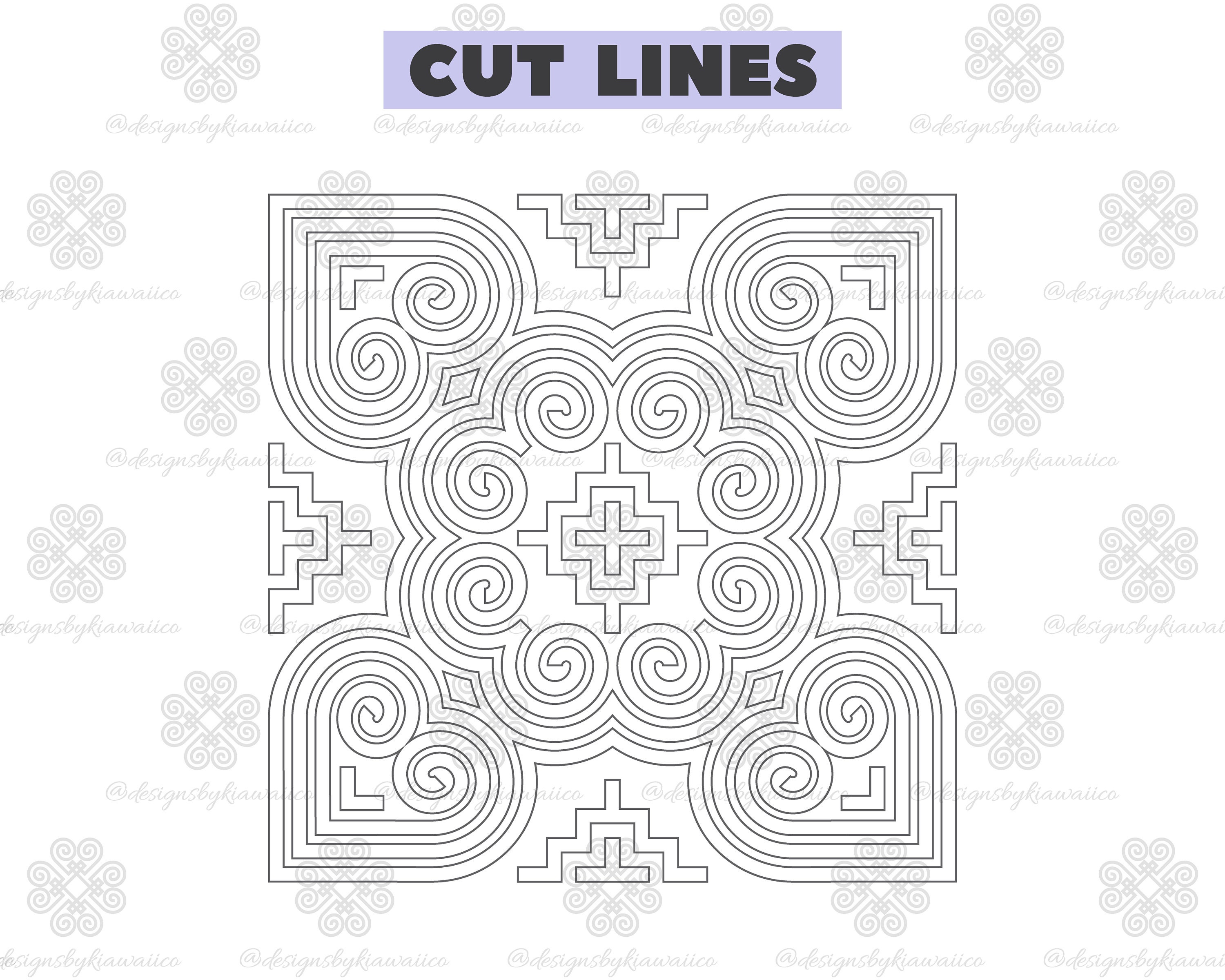
Hmong Qeej Embroidery
Young brides would spend time making new clothes for everyday wear and New Year celebration clothes, because it is believed that new clothes bring good luck, good health, and prosperity to the family. Furthermore, most girls sew their own clothes for the Hmong New Year’s celebration. They dress up in their best embroidery clothes to be seen in public with friends, and engage in courtship with boys through ball tossing and folk song singing activities.
The resultant pieces of quilts are a beautiful combination of cotton segments, patchwork, and traditional indigo linen. “It can be very heartbreaking for some of the ladies [to let go of their family treasures],” he said. Coin purse, pouch, folding clutch or tote bag, which one do you fancy?
The overarching term for Hmong embroidery is called paj ntaub (pa thou) and translates to “flower cloth.” Hmong elders said the name was inspired by flowers where the stem, when cut, radiates symmetrically from the center. Hmong women used paj ntaub to make colorful intricate designs for their clothing. Clothes are important to the Hmong people because they identify groups and clans based on the design, style, and accessories. Traditionally, these flower cloths were applied to regalia worn during courtship festivals, baby-carriers, and men’s collars as decoration. Overtime, Flower Cloths transformed into the primary way of communicating Hmong Culture and history between and among the people and over generations. When she used to attend Hmong New Year or other cultural events, she recalled, she would sometimes feel ashamed or embarrassed to wear traditional Hmong clothing.
As global tourism developed, more people visited the Hmong tribes of Asia, and fell in love with their spectacular garments and fabrics. Over time, their rich patterns, indigo dyed materials and detailed embroidery began to be incorporated into modern garments, and valued by a new generation of people. Embroidery skills – including Hmong embroidery designs and Hmong embroidery patterns – are passed down from generation to generation. Girls first learn to embroider, followed by appliqué and finally batik.
Unlike many languages, Hmong doesn’t have a written form, thus textiles have become a form of visual expression. The inspiration for motifs is derived from the natural environment, such as snail shells, animal teeth, ferns, cucumber, rice seeds and pumpkin seeds. In peaceful times, the New Year celebration was a special event for everyone to dress up in their finest embroidered clothes to be seen by the public. The celebration was a time for courtship and a place to attract marriage partners.


No comments:
Post a Comment